

Building Strong Readers Through Teamwork
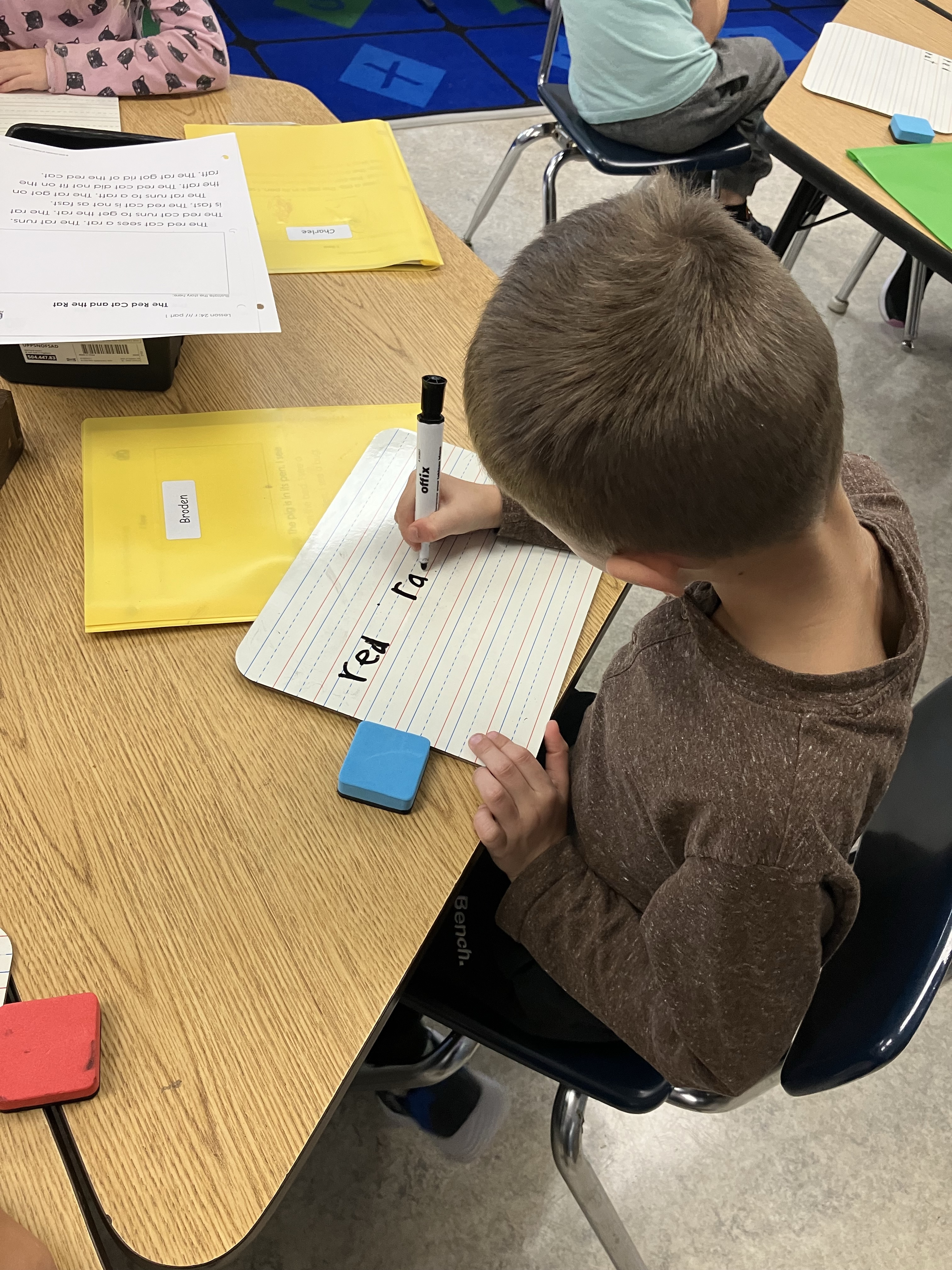
At Sorrento Elementary, collaboration, creativity, and a shared commitment to explicit literacy instruction are making a significant difference for students.
Using assessment data from DIBELS, spelling inventories, and benchmark assessments, staff created flexible UFLI groups that cross classroom boundaries, allowing students to receive instruction that best matches their literacy needs. Teachers, Learning Resource staff, the Literacy Support Teacher, Indigenous Education Worker, CEAs, and administration work together to ensure students receive timely feedback, targeted support, and daily opportunities to practice their reading.
What makes this model especially powerful is its responsiveness. As students grow, groups are adjusted, supports are refined, and instruction is tailored to meet individual needs. This flexibility has helped students move confidently between groups while ensuring those who need additional support receive it.
The success of this approach has expanded from Grade 1 and Grade 2 into Grade 3, creating seamless opportunities for students to access learning at the right level. It has also strengthened collaboration among staff, with everyone sharing responsibility for student success.
Making this work requires intentional scheduling. Literacy blocks are protected across grades, with classroom schedules, prep times, and school events carefully planned around daily UFLI instruction whenever possible. This prioritization reflects the staff's collective belief that strong literacy foundations matter.
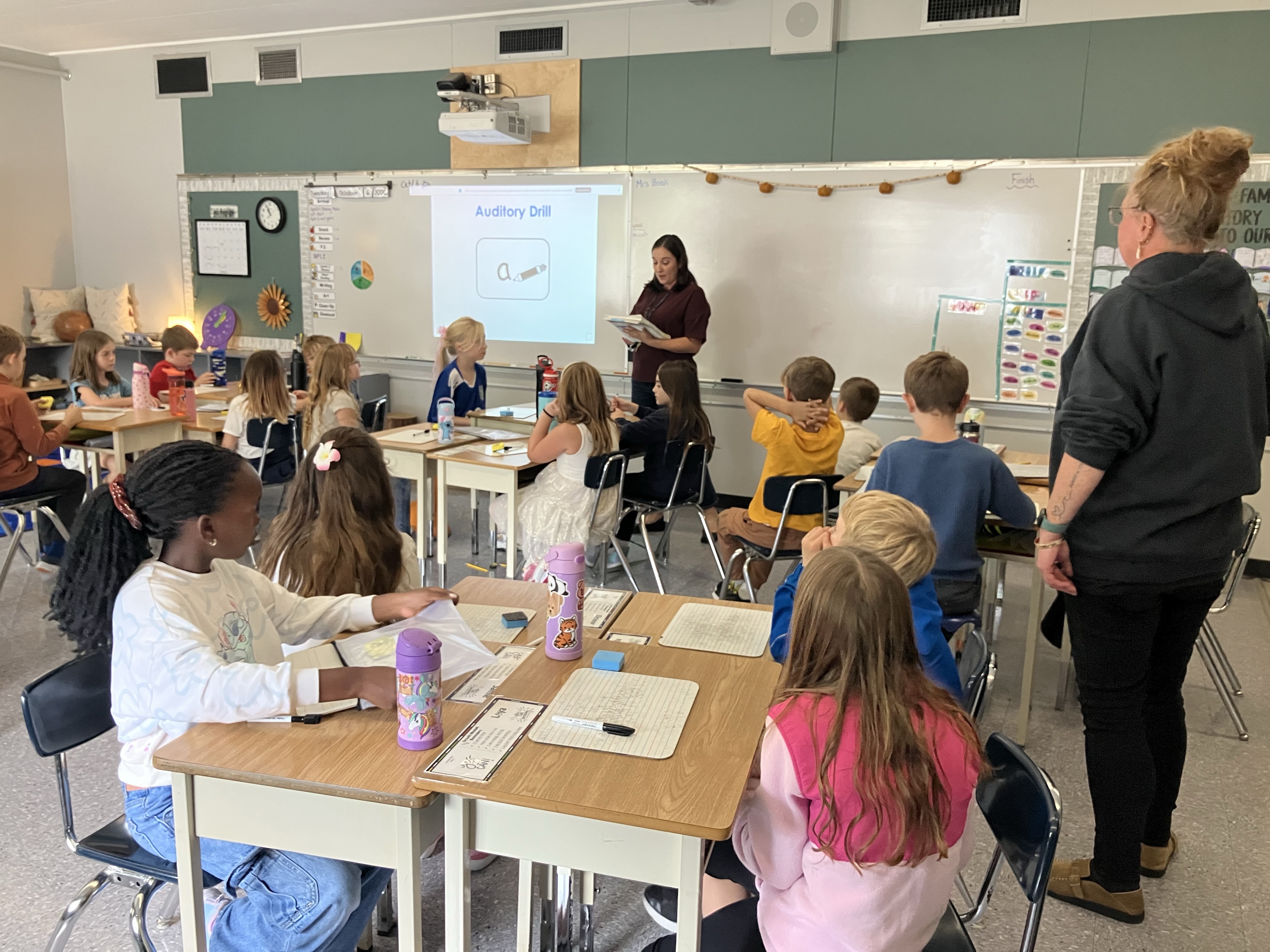
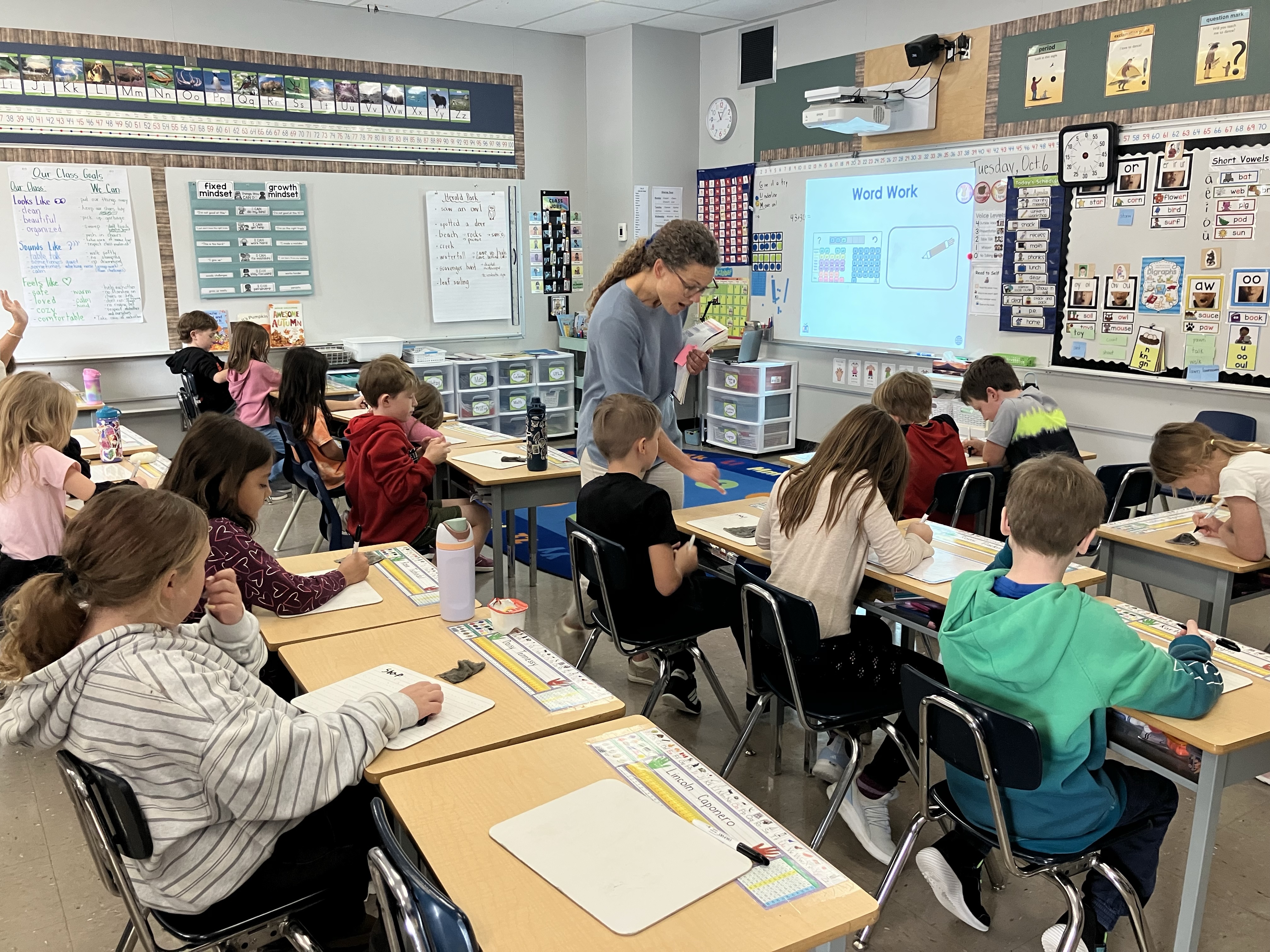
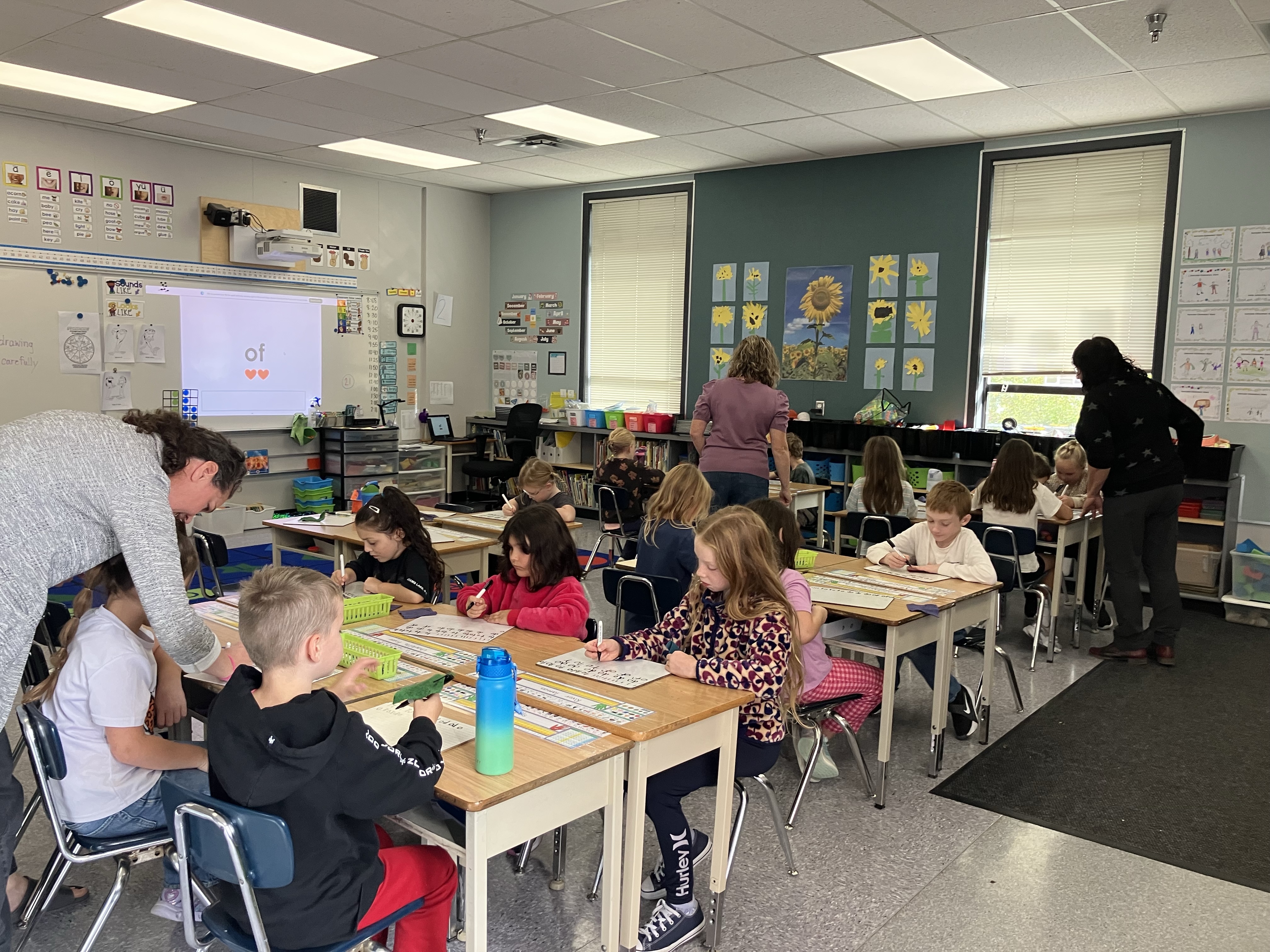
The success of this work reflects the dedication, flexibility, and collaborative spirit of the Sorrento Elementary staff. By aligning their expertise, resources, and schedules around student needs, the team is creating meaningful opportunities for every learner to build strong literacy skills and experience success as a reader.
This collaborative approach directly supports the District's Strategic Priority of Intellectual Development by fostering the knowledge, skills, and confidence students need to become successful readers, engaged learners, and lifelong learners.